 Field
Field 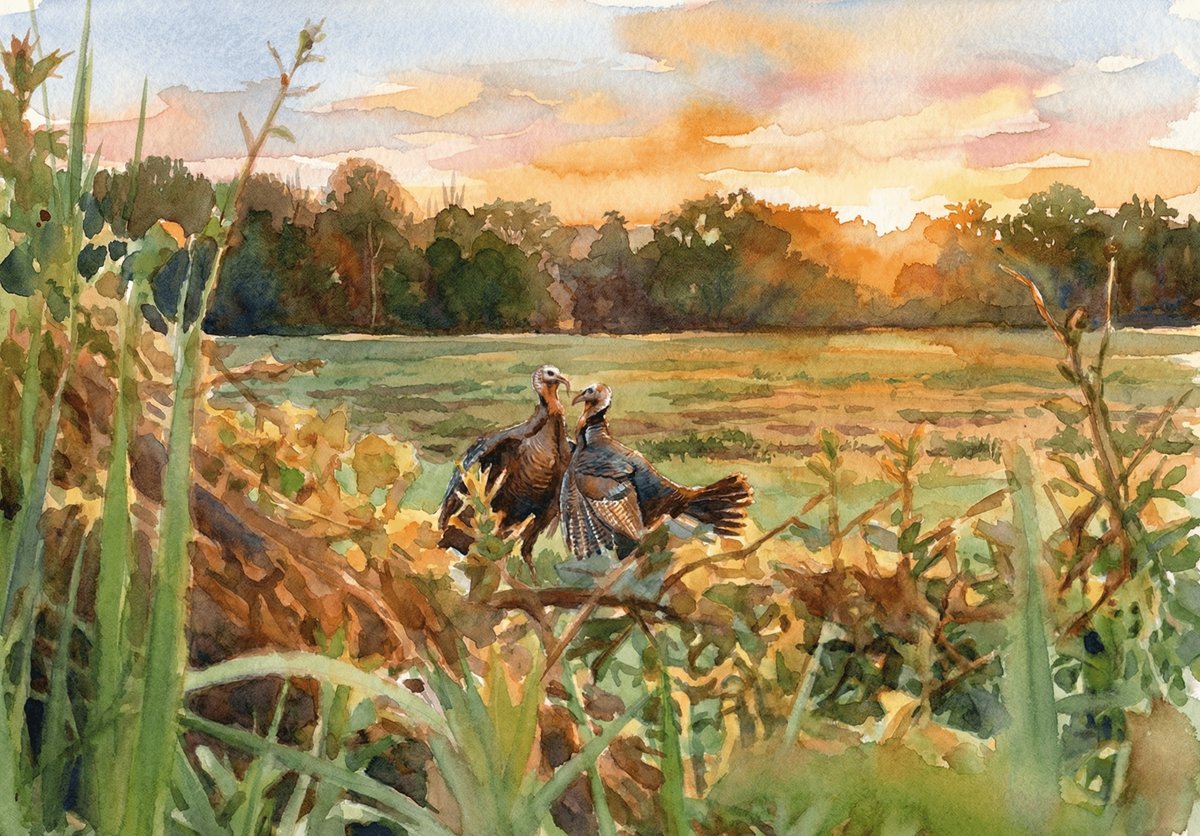
Understanding Turkey Calling Techniques
When you step into the woods during the spring turkey season, the air is alive with the sounds of nature awakening. It's a time when turkey calling techniques can make or break your hunt. The art of calling turkeys is as much about knowing the land as it is about mastering the calls themselves. In the Carolina Piedmont, where the rolling hills meet vast hardwood bottoms, calling techniques vary from one hollow to the next. Whether you're using a box call or a slate call, understanding how and when to use each is crucial to bringing that gobbler into range.
The Role of Box Calls in Turkey Hunting
Box calls are often a hunter's first choice for a reason. They're reliable, easy to use, and can produce a range of sounds from soft yelps to sharp cackles. When you're set up in a creek bottom, the box call's volume can reach far, echoing through the trees and catching the attention of a distant tom. The key is in the rhythm, matching your calls to the natural cadence of a hen turkey. Beginners and seasoned hunters alike appreciate the versatility of the box call. For those just starting, focusing on the basics—such as the yelp, cluck, and purr—will serve you well.
Why Slate Calls Are a Hunter's Secret Weapon
While box calls are excellent for those long-range calls, slate calls come into play when subtlety is needed. Picture yourself nestled against a towering oak, the sun just peeking over the horizon, casting long shadows across the forest floor. In these moments, when the world is still waking up, the slate call's soft, natural tones can coax a cautious tom into the open. Slate calls require a bit more finesse, but the payoff is worth the effort. The key is in the pressure and angle of the striker, allowing you to mimic the quiet, comforting sounds of a feeding hen. It's these gentle calls that often close the deal during the spring turkey season.
Innovating with Mouth Calls
For the more advanced turkey hunter, mouth calls offer a hands-free advantage that can be a game-changer in the field. These calls, while requiring practice to master, provide the flexibility to produce a wide range of sounds without the movement that might spook a wary gobbler. The diaphragm call, nestled in your mouth, can replicate the raspy yelp of a hen or the subtle cluck of a feeding bird. Mastering the mouth call allows you to keep both hands on your shotgun while communicating naturally with turkeys. It's an essential skill for those ready to elevate their calling game.
Combining Calls for Maximum Effect
One of the most effective turkey hunting tips involves combining different calls to create a more realistic soundscape. Imagine starting your calling sequence with a series of soft clucks and purrs from a slate call, setting the scene of a contented hen. As the morning progresses, switch to a box call to mimic the cutting and yelping of a hen looking for company. This strategy can simulate movement and interaction, convincing a tom that a group of hens is nearby. The more natural and varied your calls, the more likely you'll entice a gobbler to investigate further.
Mastering the Hunt: Tips for Success
Success in turkey hunting isn't just about mastering turkey calling techniques. It's about understanding the habits and patterns of the birds, scouting effectively, and always being prepared. Here are some practical turkey hunting tips:
- Scout Early: Before the season opens, spend time in the field. Look for roosting sites and feeding areas, and listen for gobbles at first light.
- Set Up Strategically: Position yourself between roosting and feeding areas. Use natural cover or a blind to stay hidden.
- Be Patient: Turkeys can be unpredictable. Sometimes holding your ground and waiting is the best strategy.
- Know Your Gear: Whether it's camo, decoys, or calls, familiarity with your equipment can make all the difference.
These strategies, coupled with intelligent calling, can significantly increase your chances of a successful hunt. And remember, every hunt is a learning experience. Pay attention to what works and what doesn't, and refine your approach accordingly.
The Beauty of the Hunt: Capturing the Moment
The thrill of the turkey hunt is not just in the chase but in the moments that unfold in the wild. Capturing these moments can be as rewarding as the hunt itself. Imagine the vibrant colors of a spring gobbler strutting through the field, the light catching his iridescent feathers. This is the essence captured in our featured print, "Spring Dispute". This art piece brings the beauty and intensity of a turkey hunt to life, making it a perfect addition to any hunter's collection.
FAQs About Turkey Hunting
What is the best time of day for turkey hunting?
Early morning and late afternoon are often the most productive times. Turkeys are most active at dawn and dusk, making these the prime times for calling and hunting.
How do I determine the right call to use?
Observe the turkey's behavior and adjust accordingly. If they're responsive to loud calls, a box call might be best. For more cautious turkeys, switch to a slate call for softer, more subtle sounds.
What's the best way to practice turkey calling?
Practice makes perfect. Spend time listening to real turkey sounds online and mimic them with your calls. Consistent practice will improve your technique and confidence.
Ready to take your love of the hunt to the next level? Explore our collection of wildlife art prints and bring the thrill of the outdoors into your home.