 Field
Field 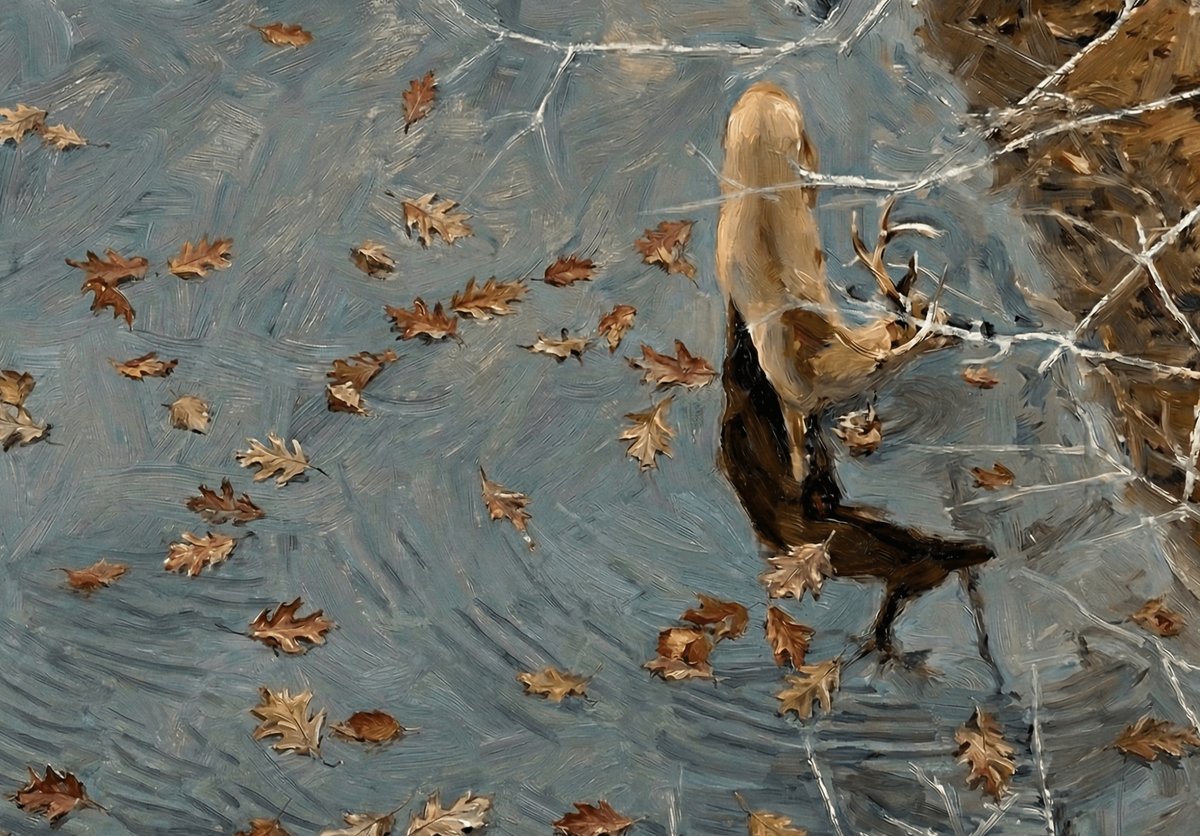
Breaking New Ground in Wildlife Art
Drone wildlife photography is not just a buzzword; it's a revolution in how we capture and present the natural world. With drones, artists and photographers can now document the intricate details and sprawling landscapes that were once out of reach. This bird's-eye view offers a fresh perspective on wildlife art photography, bringing a new dimension to our appreciation of the natural environment.
Picture this: a whitetail buck stepping through a creek edge in the Carolina Piedmont, autumn leaves scattered across water so thin you can still see the bottom. Capturing a scene like that from above adds context without losing the quiet, deliberate movement that makes the moment work. Our "Leaves On Thin Water" print is the better fit here: a whitetail scene where water, leaves, and careful foot placement all matter to the composition.
The Rise of Aerial Wildlife Photography
The advent of drones has democratized aerial wildlife photography, making it accessible to artists and enthusiasts alike. Previously, capturing landscapes from above required expensive equipment and aircraft. Now, a drone lets you scout and shoot from above with ease. You might be sitting in your tree stand, but your camera is soaring high, capturing the full expanse of the territory.
In the Southeast, where dense forests can obscure ground-level views, drones provide a way to visualize these environments like never before. They highlight the complex interplay of light and shadow across the canopy, turning everyday moments into majestic works of art. That's the essence of aerial wildlife photography—transforming the ordinary into the extraordinary.
Redefining Wildlife Art Photography
Wildlife art photography has traditionally focused on eye-level shots. Think of ground-level images of a strutting turkey in a field or a waterfowl skimming a pond. But drones are shifting that focus, enabling artists to experiment with composition and scale. They offer a chance to capture the interconnectedness of ecosystems—how a turkey's path cuts through an open meadow or how waterfowl navigate the weave of wetlands.
Our collections, such as those featuring wild turkeys and waterfowl, showcase these new perspectives. The art becomes not just about the subject but also its relationship with the environment. This dual focus enriches the narrative, inviting viewers to explore the broader story behind each scene.
Technical Mastery Meets Artistic Vision
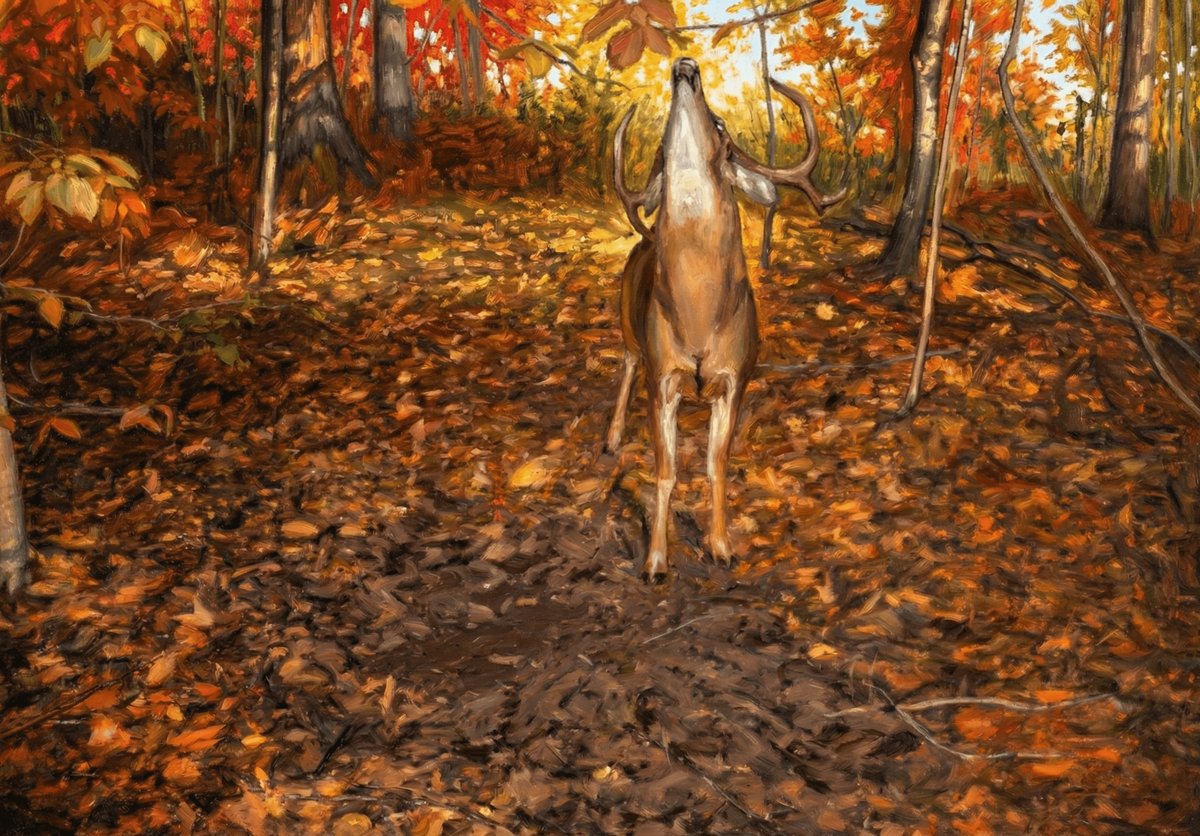
Mastering drone wildlife photography requires an understanding of both technology and art. It's not just about flying a device but knowing how to frame a shot, adjusting for light conditions, and anticipating wildlife behavior. Timing is crucial—capturing the moment when a raptor swoops down or a deer lifts its head to catch a scent.
Our raptors collection is a testament to this blend of skill and artistry. It takes patience and practice to get the perfect shot, one that conveys the raw energy and grace of these magnificent birds. Aerial shots add a layer of complexity, challenging photographers to think beyond traditional angles and embrace new methods.
Building a Connection to the Landscape
One of the most profound impacts of drone wildlife photography is its ability to forge a deeper connection with the landscape. By revealing the grand scope of an environment, aerial images remind us of our place within it. They show how fields, forests, and waterways interlock, forming a tapestry of life.
As you browse our landscape prints, consider how these aerial views shift your perception. You're not just seeing a field or forest; you're witnessing the dynamic interplay of elements that define a region's identity. It's this connection that makes wildlife art photography so compelling—it's a visual dialogue between us and the natural world.
Capturing the Seasons from Above
The changing seasons are a spectacle from any angle, but aerial views bring out their full splendor. Imagine the vibrant colors of fall in the Carolina Piedmont, with the canopy ablaze in reds and golds. Drones allow photographers to document these transitions with unparalleled clarity and scope.
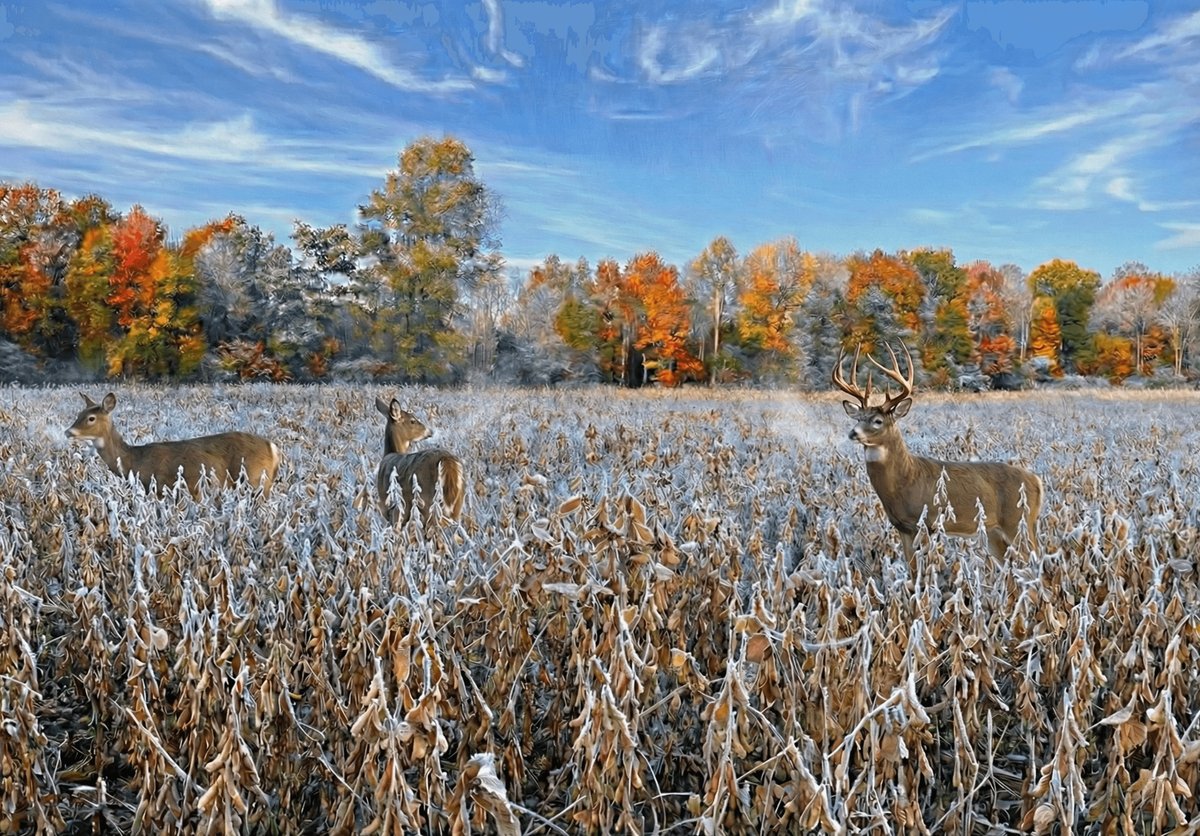
Each season offers its own set of challenges and opportunities. Winter, with its stark contrasts, can highlight the resilience of deer moving through snow-covered fields. Spring brings renewal, with landscapes bursting into life, a scene best captured from above as new growth spreads like a tapestry.
The Future of Drone Wildlife Photography
As technology advances, so do the possibilities for drone wildlife photography. Improved drone capabilities, such as enhanced stabilization and longer flight times, make it easier than ever to capture high-quality images. Artists can now focus more on creativity and less on technical limitations.
In the future, we can expect to see even more innovative techniques in wildlife art photography. As drones become more integrated with AI, they might even assist in identifying wildlife patterns and behaviors, offering insights that were previously out of reach. This technology could revolutionize not just how we capture images, but how we understand the natural world.
FAQs
- How do drones enhance wildlife photography? Drones provide new perspectives, capturing expansive views and hard-to-reach areas, thus enriching the storytelling in wildlife photography.
- Are drones intrusive to wildlife? When used responsibly, drones can be non-invasive. It's crucial to maintain a respectful distance and adhere to guidelines to minimize disturbance.
- What should I consider when purchasing a wildlife art print? Consider the size that fits your space and the perspective that resonates with you. Our prints range from 12×8 to 36×24, each offering a unique view.
If you're ready to see the world from a new angle, explore our full collection of drone-captured wildlife art. Each piece is a testament to the power of perspective, waiting to transform your space.